
About Us

Feeding Illinois is the Partner State Association of Feeding America food banks that serve Illinois.
Together, they provide food and other services to every county in Illinois through a vast network of member agencies and specialized feeding programs.
The number of residents who are hungry in Illinois is staggering and saddening - yet solvable. But only together; with collective support across public and private sectors.
As the state association for food banks serving Illinois we work with our members to strengthen and support their efforts to eliminate hunger.
Each food bank has identified the specific needs of their communities and has developed a comprehensive array of programs and services to combat hunger in their region.


How It Works
Every day, Feeding Illinois members work with a statewide network of more than 2,600+ pantries, soup kitchens, shelters, and specialized programs to distribute food to hungry people in Illinois.
Delivering millions of pounds of food to every corner of our state requires coordination and commitment.
Feeding hungry people in Illinois also requires funding for every step of the process - from procurement, to storage, to evaluation, to transportation and more...all to ensure the food provided to our hungry neighbors is safe and suitable. With modest budgets, the food banks serving Illinois successfully execute the complex process of making food accessible to needy children, families, individuals, and seniors.






_ _ _ _ _
Donation
Food is donated and/or purchased from local food companies, government agencies, food drives, special purchases and Feeding America.

_ _ _ _ _
Transportation
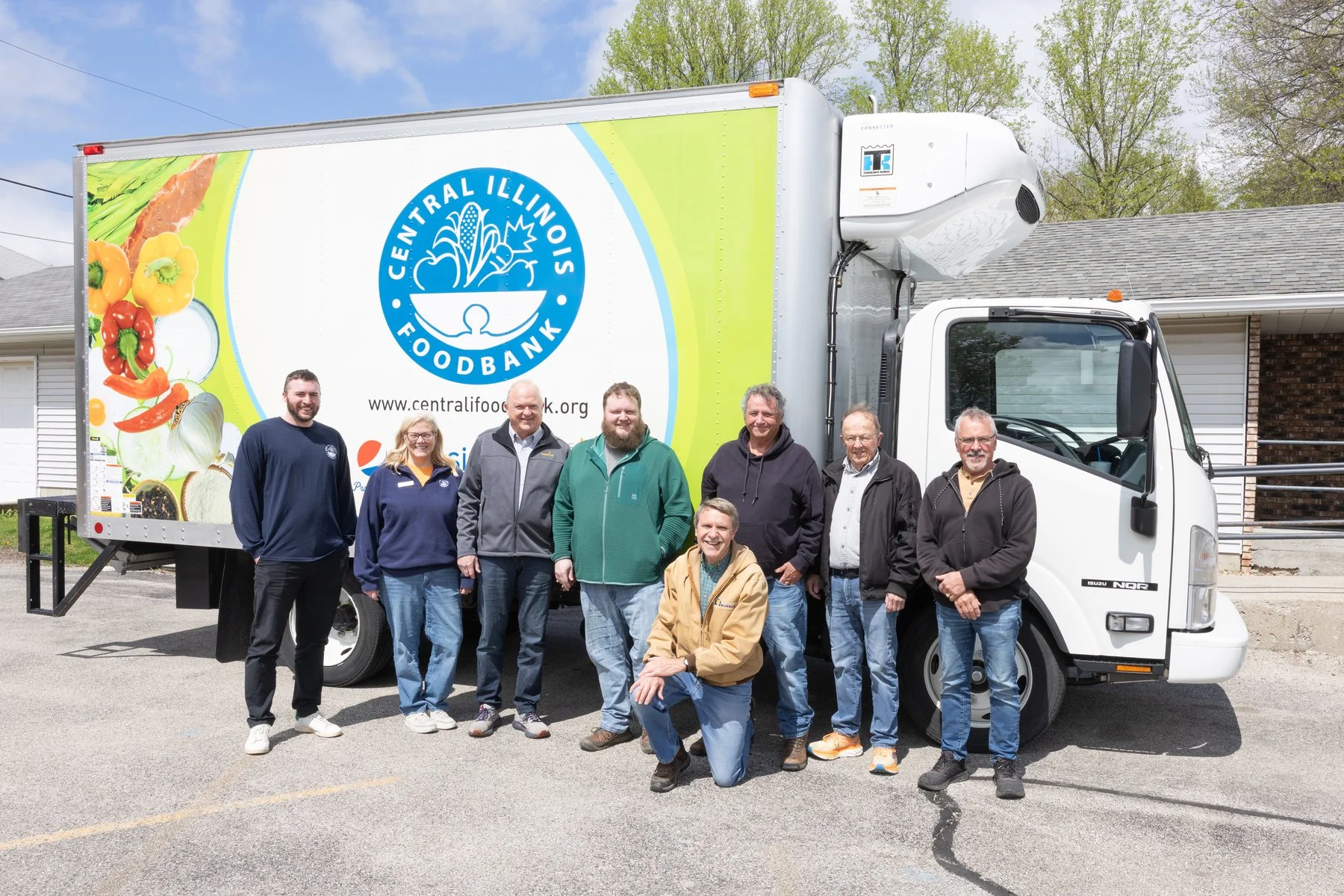
Once food is accepted it must be picked up by or delivered to food banks. To accomplish this, food banks must maintain trucks and employ drivers to ensure safe and efficient transportation.

Storage & Distribution
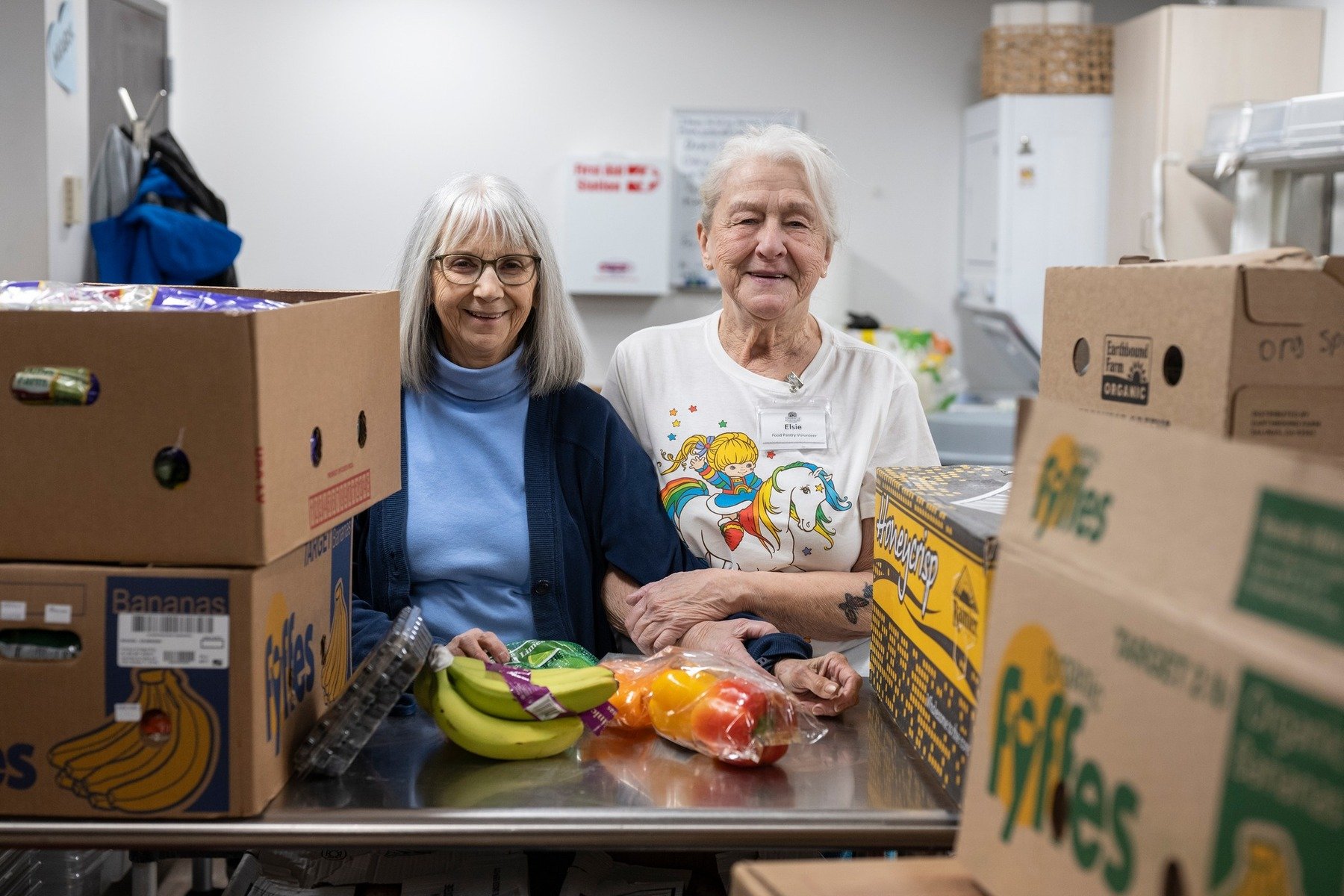
Food banks store and distribute food. Once the food bank receives a shipment of food, it is inspected for quality, sorted and repacked for distribution to member agencies throughout its service area.
_ _ _ _ _
_ _ _ _ _

Delivery & Additional Services
Member agencies, such as shelters, soup kitchens, and food pantries, receive food from food banks and then provide their manner of food assistance to patrons in need. The food banks also provide training and resources to its agency members to ensure they can most efficiently serve as many people in their community as possible.
_ _ _ _ _

Meals Provided
Food reaches those in need. Feeding Illinois network members help feed the over 1.6 million people facing hunger in Illinois, including 419,180 children.